
Palm Trees
Written by webtechs

Is Fallen Tree Removal Covered By Insurance?

Is Fallen Tree Removal Covered By Insurance?

GET A FREE ESTIMATE TODAY!

It depends on the circumstances. Home insurance does not cover the cost of removing a tree that has not yet fallen. You’re responsible for paying for general maintenance of your home and yard, such as pruning trees or removing a dying tree.

Will Homeowners Insurance Cover Tree Removal?

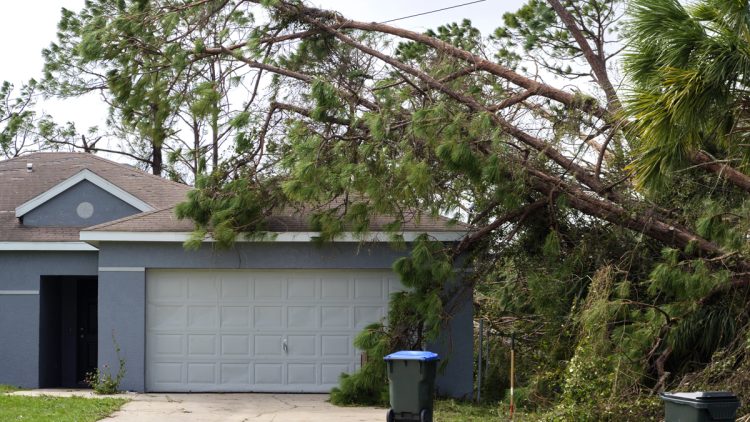
If a tree fell in a storm and damaged the house, home insurance generally would pay for repairs to fix the damage and for removal of the tree.

What if the tree simply fell in the backyard without damaging any structures? Then, you would have to pick up the tab. Home insurance generally does not cover the removal of the tree unless it falls on a fence, garage or home and causes damage.

Sometimes home insurance will pay for removing a tree if it falls and blocks your driveway. Or, if you’re disabled, home insurance might pay if the tree blocks a wheelchair ramp. Check your home insurance policy or call your insurance agent for details. Typically, home insurance policies cover tree removal up to $1,000 per storm.

Call your town or city government to learn what to do if a tree from your yard falls into the street. Some municipalities will remove the tree, and others will require you to do it.

If a tree from your yard fell on a neighbor’s home, your neighbor would file a claim on his or her home insurance policy. But you could be held liable if the tree was dying and you had been warned about the hazard.

Don’t count on getting reimbursed for the value of a fallen tree. Some insurance companies don’t cover trees because they believe it’s too difficult to value landscaping. Others cover damage to landscaping up to 5 percent of a home’s value.

Does Homeowners Insurance Cover Damaged Tree Removal?

Even if it seems like the tree could fall apart any day now, your policy may not cover the removal if it has yet to fall and damage your insured property. If your insurer determines that the tree needed to be removed previously but wasn’t due to negligence, you may not receive coverage.

Always try to take some preventative measures like removing or pruning damage trees on your property. Doing so can prevent serious damage from occurring in the future.

Will Homeowners Insurance Cover Preventative Tree Removal?

No matter the specific issue, homeowners insurance will not cover preventative tree removal. In this event, the costs associated with removing rotten or otherwise dangerous trees will most likely fall to you. With that being said, the costs are certainly worth knowing your home and family are safe from potential danger.

Damage as the result of fallen trees that were not removed due to the homeowner’s negligence may not be covered by your policy. At this time, you may be responsible for damages, injuries, and other legal fees that may result.

Conclusion

Talk to your insurance provider if you have any questions about your specific policy. Removing damaged or otherwise dangerous trees from your property is an important preventative measure every homeowner should take. Homeowners should also be insured if a storm or other event causes a tree to fall or split, resulting in damage to the home.

TREE TRIMMING AND REMOVAL SERVICES PHOENIX

Phoenix Trim-A-Tree offers tree removal and trimming services in Phoenix, Arizona as well as Scottsdale, Mesa, Tempe or Chandler, contact us today!
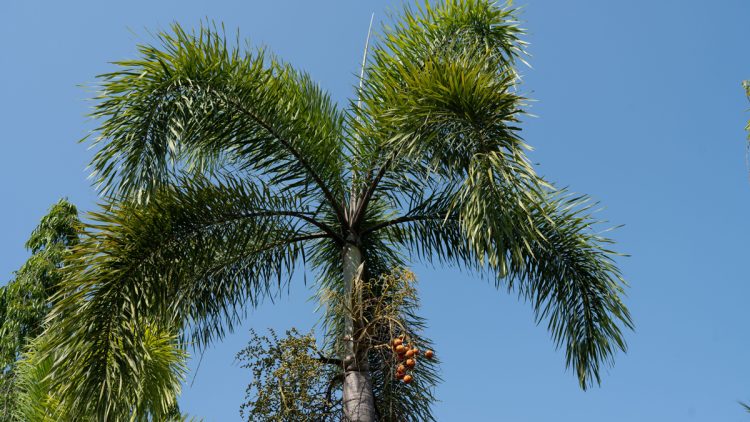
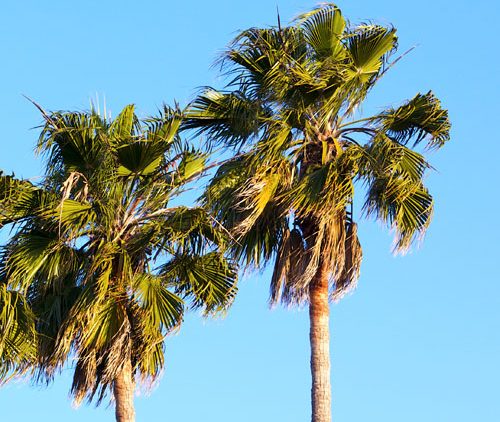
Does Insurance Cover Storm Damage To Trees
Written by webtechs

Does Insurance Cover Storm Damage To Trees?

Does Insurance Cover Storm Damage To Trees?

Homeowners insurance may cover damage caused by a fallen tree, branch, or limb to your home and/or other structures on your property. This could also include coverage when damage is caused by a neighbor’s tree falling onto your property. However, if the neighbor’s tree fell due to negligence, their insurance may cover the damage costs.

Will Home Insurance Cover Tree Damage To Your House Or Property?

Homeowners insurance may pay for any damage to your home, belongings, or other structures on your property minus your homeowners insurance deductible, if the tree falls due to factors outside of a homeowner’s control. It is also possible for the insurance provider to pay for the removal and cleanup of the tree(s).

If the fallen tree was due to your negligence, however, you may be on the hook for the damage and removal costs. No matter how the damage occurred, it’s always best to take as many pictures of the damage as possible before submitting an insurance claim.

Here is a quick breakdown of tree damage coverage scenarios:

What Caused The Tree To Fall? Will Insurance Cover It?
Other trees, winds, tornados, or hurricanes Yes
Vandalism Yes
Struck by lightning Yes
Rot or decay No

Will Insurance Cover Fallen Trees From A Neighbor’s Yard?

If a tree from your neighbor’s property falls in your yard due to a covered peril, homeowners insurance will likely cover the resulting damage to your home, property, or surrounding structures. In the event a tree falls without causing any damage, removal and cleanup is your responsibility, regardless if the tree was clearly rotting or dead.

Of course, you can always ask for the neighbor’s assistance in covering the costs, but if they decline, the costs may ultimately fall on you.

Does Insurance Cover Your Tree Falling On A Neighbor’s House?

If your tree falls on a neighbor’s house, it is possible that their insurance will cover the damage. However, if your tree was visibly rotting or damaged, the neighbor could try to prove you were negligent by not removing the tree sooner.

If you are found liable, your insurance may have to cover the damage costs. If your tree fell on their property without causing any damage, their insurance may cover removal expenses.

Does Insurance Cover Tree Removal?

It depends on the circumstances. Home insurance does not cover the cost of removing a tree that has not yet fallen. You’re responsible for paying for general maintenance of your home and yard, such as pruning trees or removing a dying tree. But if a tree fell in a storm and damaged the house, home insurance generally would pay for repairs to fix the damage and for removal of the tree.

What if the tree simply fell in the backyard without damaging any structures? Then, you would have to pick up the tab. Home insurance generally does not cover the removal of the tree unless it falls on a fence, garage or home and causes damage.

Conclusion

Homeowners insurance will not help you remove any tree that could potentially damage your property or the surrounding areas. Keeping up with regular yard maintenance, including tree pruning when necessary, can prevent tree damage.

If a tree falls and causes damage, your provider could possibly deny your claim due to negligence, as previously mentioned.

GET A FREE ESTIMATE TODAY!


PHOENIX TRIM-A-TREE SERVICES

Will Cutting Tree Roots Kill The Tree
Written by webtechs

Will Cutting Tree Roots Kill The Tree?

Will Cutting Tree Roots Kill The Tree?

It is possible to cut roots without killing a tree, but this task can result in some tree damage. Use the tips below to properly cut roots without killing a tree.

Does Cutting Roots Kill The Tree?

You can kill a tree by simply cutting roots only based on the location and size of the roots. The tree experts suggest avoiding pruning roots that are more than two inches wide. Removing any roots that are larger than that can make the tree unstable and/or unhealthy overall.

Without the presence of larger roots, the tree may not be able to get the amount of water and nutrients it needs to survive. You should always refrain from removing any roots close or fused to the trunk. These roots are ultimately crucial to the tree’s structure.

How To Cut Roots Without Killing A Tree

When you cut tree roots there is really no guarantee that it will or will not hurt the tree. The cuts may also end up killing the tree. Try to only remove tree roots when they are either damaging or infringing on any surrounding structures. Cutting simply for aesthetic purposes is never recommended.

Also refrain from removing more than 15 percent of above-ground roots at the same time. Wait at least 2-3 years’ time before making additional cuts. This time period should give the tree the best chance to fully recover. To give your tree the best opportunity to thrive, contact a local arborist before attempting any DIY cuts.

When Is The Best Time To Cut Tree Roots?

The tree experts say the winter or early spring is the best time to cut tree roots. Always make your own safety and the safety of the tree the top priority for this task.

GET A FREE ESTIMATE TODAY!


PHOENIX TRIM-A-TREE SERVICES

How To Grind A Stump
Written by webtechs

How To Grind A Stump

How To Grind A Stump

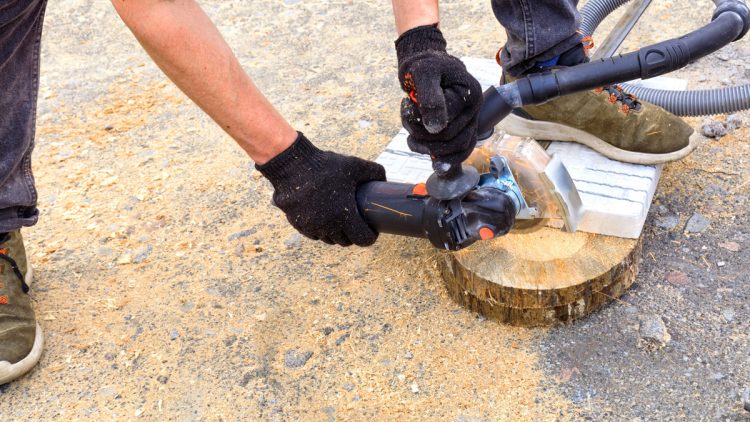
Follow this simple, step-by-step guide below to properly grind a stump. Always make safety your number one priority before attempting this DIY task.

How To Grind A Tree Stump

Preparing the site in advance of the grinding should always be your first step. You will need a tree grinder for this task, so it’s crucial to ensure either experience or a full understanding of how to use this tool.

Remain cautious and alert at all times when using a grinder. Make sure anyone in the surrounding area stays at a safe distance from the site. Unplug the grinder as soon as the machine is not in use.

Cut the stump close to the ground before finishing the job with this tool. You should also have the following pieces of equipment for this project:

  • Chainsaw.
  • Gloves.
  • Earplugs.
  • Safety goggles.

Follow the steps below to properly and efficiently grind a stump.

Step 1. Prepare The Area

  • Remove any debris that may be surrounding your stump.
  • Once all is clear, cut the stump as close to the ground as possible with the chainsaw.
  • Make sure to block the area off to keep anyone and anything safe.

Step 2. Position Stump Grinder

  • Set your grinder in the appropriate position before starting work.
  • Make sure the angle you choose is comfortable.
  • It’s quite common to alter the angles several times when grinding.
  • Ensure the grinder is set to “OFF” when adjusting positions.
  • If needed, apply the locks on the wheel.

Step 3. Grind Stump In Sections

  • Once you drop down 100 millimeters, adjust the angle on the stump.
  • This ultimately helps you complete the task more efficiently.

Step 4. Reposition The Stump Grinder

  • When the tree has been grinded down to ground level, put the grinder in the center of the trunk.
  • Lock your wheels, at this time.
  • Adjust your handle to the proper height.
  • Grind the stump until the space is completely clear.

Step 5. Cover The Area With Soil

  • Switch the grinder’s ignition to the “OFF” position.
  • Fill the hole using fresh soil and/or wood chips.
  • Rake the layers to aid the growth process.

GET A FREE ESTIMATE TODAY!


PHOENIX TRIM-A-TREE SERVICES

How To Cut A Leaning Tree
Written by webtechs

How To Cut A Leaning Tree

How To Cut A Leaning Tree

Whether it is too close to your house or other structure, a leaning tree is always a concerning sight for homeowners. It’s crucial to act before the tree falls, potentially resulting in some serious damage. Use our step-by-step guide below to cut a leaning tree both efficiently and safely.

How To Fell A Leaning Tree

The first step to take is determining whether or not the leaning tree can be saved. If the tree is leaning, but still features a solid root system, you could stabilize the tree by using cables.

However, it is best to cut the tree down if the roots appear either damaged or weak. Look over the tree for any extreme damage, including broken branches before deciding if the tree needs to be cut down.

Here are few steps to follow when attempting to fell a leaning tree:

  • Always make safety your top priority for this task.
  • Ask for a helper, if possible.
  • Make sure to avoid damaging anything in the surrounding area.
  • Know the exact direction you’d like the tree to fall ahead of time.
  • Ensure the tree will fall away from any nearby structures.
  • Immediately dispose of any leaves, branches, and debris once the tree is cut down.

How To Fell A Leaning Tree In The Opposite Direction

You’ll have to use a different technique if you wish to fell a tree that’s leaning in the opposite direction that you want it to fall.

Use these helpful tips below:

  • At waist height, tie a rope around the tree trunk.
  • Ensure your rope is taut and secure.
  • Cut a notch into the trunk’s side which faces away from the direction you want the tree to fall.
  • The notch should be cut about one-third of the way through the trunk.
  • Cut another notch into the opposite side of the trunk.
  • This should be cut right above where the first cut ends.
  • Make sure the cut is perpendicular to your first cut.
  • Now, cut the tree down from the top.
  • Angle this cut so the tree leans in the direction you want it to fall.
  • Use your rope to guide the tree in the desired direction once it begins to fall.

Conclusion

Properly cutting a tree can be a difficult DIY task if you have no prior experience. In that case, it’s always best to contact the tree professionals at Phoenix Trim A Tree today!

GET A FREE ESTIMATE TODAY!


PHOENIX TRIM-A-TREE SERVICES

What To Do If A Tree Falls On Your House
Written by webtechs

What To Do If A Tree Falls On Your House

What To Do If A Tree Falls On Your House

In the unfortunate event a tree falls on your house, homeowners should follow the five steps below while always prioritizing safety first.

What Should You Do If A Tree Falls On Your House?

If a tree falls onto your home, this can be quite a dangerous situation for everyone nearby. Big trees have the ability to smash windows and go through roofs, potentially causing some serious damage to the house and surrounding area. Trees of any size can bring down power lines, leading to other dangerous hazards.

High winds, floods, and other scenarios can cause a tree to fall onto a home. Use the following steps below to react properly and safely if this situation occurs.

1. Find Safety Immediately

Your first move should always be to ensure your entire family is safe. Stay away from any damaged parts of the house, even if that means evacuating the home altogether.

2. Assess The Damage Outside

After everyone and everything inside the house is safe and secure, take a detailed look at the damage outside. Turn off the main breaker in your home’s breaker box or gas line at the meter if the tree tore any power or gas lines down.

3. Document Everything

Regardless of the extent of the damage, take as many videos and pictures as you can to properly document the event.

4. Cover Any Openings

Trees can burst through roofs, ceilings, and walls. Remain cautious when trying to temporarily cover any holes that may have been created. Never attempt to go up on your roof to survey damage, though, as this task is always best left to the professionals.

5. Call The Professionals

Once the situation is under control, you should contact both your utility and insurance companies. In most cases, the utility company will come to check out the damage, and your insurance agent can advise you on how to move forward in this process.

GET A FREE ESTIMATE TODAY!


PHOENIX TRIM-A-TREE SERVICES

Why Phoenix Trim-A-Tree Is the Best for Residential Tree Trimming & Stump Removal
Written by webtechs

Fig Tree Care

FIG TREE CARE

GET A FREE ESTIMATE TODAY!

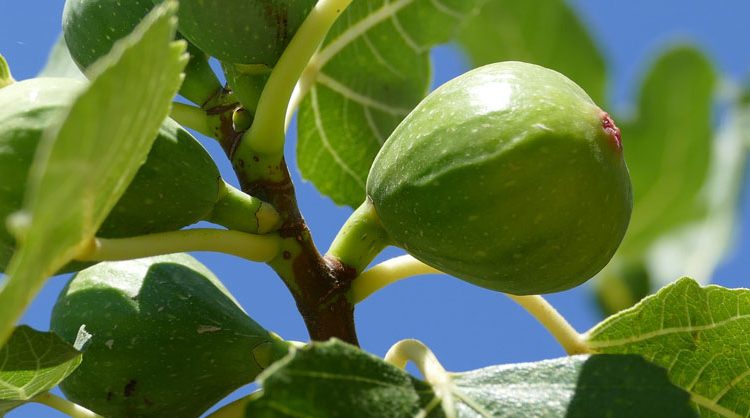
Figs are one of the oldest cultivated crops and not to mention that they were a favorite for some of the oldest societies. The ancient Egyptians, Greeks and Romans enjoyed figs. A fig tree can grow between 10 feet to 30 feet tall and they have leaves that make them look really tropical. Read on to learn more!

PICKING A FIG TREE

Many fig tree types will grow anywhere. However, some will do better in a dry, hot climate such as in Mesa, Arizona. The Kadota and Conadria fig trees are two that do really well in the Arizona heat.

KADOTA FIG

These will produce a large to medium sized fruit. The fruit will be yellow, and it is really sweet. The fruit from this fig tree will ripen best in a hot temperature area and in full sun. The Kadota fig tree is grown extensively and it is the most common fig type that you will find in a local grocery store.

CONADRIA FIG

These are the largest fig trees and it will have a very high sugar content. The fruit that is produced can be used to eat fresh or it makes a really great dried fruit. This fig also resists spoiling during rainy weather and has a small eye size. This helps with insect resistance.

HOW BIG DO FIG TREES GET?

Fig trees grow rather quickly and will end up around 25 feet tall. They also grow in width to about the same size as they are tall. Plan this into the location you choose for your fig tree. Don’t plant it in a spot where the full grown tree won’t fit well aesthetically or near power lines. Fig leaves are also quite large, sometimes reach as much as 10 inches in length and width. With leaves this large there’s no surprise that the fig tree is beloved for it’s fruit and the shade it provides.

PLANTING FIG TREES IN YOUR BACKYARD

There are normally two cycles of harvesting figs in a single year. The first crop is basically the maturation of any previously growing buds. The crop after it is actually the main crop, and this is where the fruit develops which is during spring and summer.

PICKING A LOCATION

Depending on the fig tree that you get, you will have to consider the width where you will be planting the tree. A fig tree can grow quite large which can span between 10 feet to 30 feet. They can even be much wider than they are tall. Another thing to consider when picking where to plant your fig tree is that leaves do drop. The fig is deciduous and if you have a pool then you want to plant the tree as far away from the pool as possible or place it in the front yard. Fig trees require between 8 to 10 hours of full sun per day, so you will want to keep the fig tree away from the house or where I may be shaded. You also will need soil that drains quite well and sandy soils are best for a fig tree.

PLANTING A FIG TREE

Just like with other trees that you want to plant within the desert, the time to plant a fig tree will be in the early spring or fall. This will give the root system a bit of time to mature and be ready for harsh summer weather that happens in Arizona.

WATER A FIG TREE

During the average summer heat in Arizona, a fig tree will need to be watered every 3 to 5 days. If it is really hot and Arizona has set heat records, then water more often than that. If you are unsure if you tree needs to be watered, you can use a soil probe to find out. All trees will need to be watered to 3 feet each time that there is an irrigation event. There is not a set rule for how much water it will take to reach 3 feet because different soil types will take different times.

FERTILIZING THE FIG TREE

Most times fig trees that have been planted directly into the ground will not have a need for fertilization. The big exception is if they get planted in sandy soil. If you are unsure if the soil has the right nutrients, then you can have the soil tested by a lab. If the soil is deemed to be low in nutrients, then get a half a pound of nitrogen and then divide it into 3 different treatments. Apply the nitrogen during the months of growth which are May – June -July.

PRUNING A FIG TREE

One of the best parts about growing a fig tree is that it hardly needs to be pruned. They only produce 2 crops during a single growing season and it is best that they get pruned after the second harvest. If you wait and then try to prune the fig tree during winter, then you risk removing some of the fruit that is already growing which would be part of your next harvest.

FIG TREE PESTS

Luckily, within Arizona there are not as many pests as in other areas of the United States. There are three common pests that you may deal with when it comes to your fig tree. Gophers, green fig beetle and birds are very common for Arizona. In order to protect your fruit from birds and beetles, then you can cover the fruit with netting or bagging. There is very little to be done about gophers.

WHAT DO YOU DO WITH FIGS?

There are many fig tree owners that are really surprised with just how much fruit is produced once the tree has matured properly. It does take a couple of years after it is planted to get the tree to produce its first fruit. However, whenever it starts to get going, it really goes. Most owners scramble to hurry up and begin making jam, but the truth is there are a lot of things to do with figs.

TREE TRIMMING AND REMOVAL SERVICES PHOENIX

If you own a property in the Phoenix Valley our team of trained, licensed, and insured tree cutting professionals will cut down and remove your tree safely and affordable. Every one of our skilled technicians understands our safe tree removal and cutting protocols and work together to get the job done quickly and safely. Keeping your property in the best condition possible while removing the tree is also our top priority. We remove the tree, clean up the mess, and leave your property in great condition.

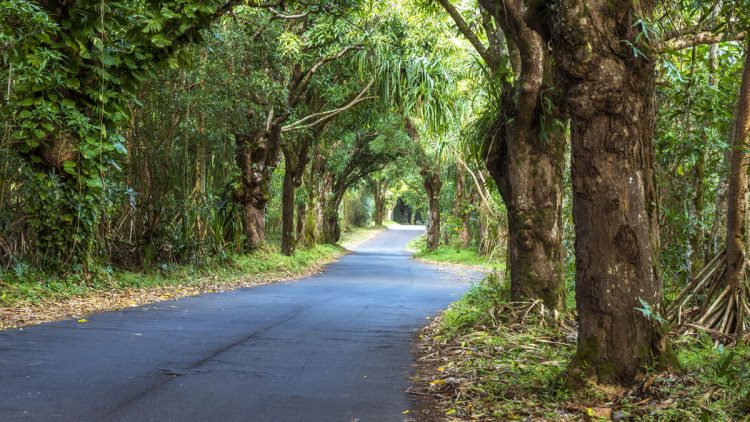
Canopy of trees over road
Written by webtechs

Tree Removal Costs 2020

TREE REMOVAL COSTS 2020

GET A FREE ESTIMATE TODAY!

The average tree removal cost is about $825. The cost to remove a tree ranged from $150 to $1500 for the US in 2020 according to multiple sources such as TreeRemoval and others. Other types of tree services will be extra. HomeGuide states a similar price range with a national average of $715 for tree removal with average prices ranging from $100 to $1800. Read on to learn more.

AVERAGE COST OF TREE REMOVAL

The average cost of tree removal is about $825 with average prices ranging from $150 to $1500 for the US in 2020 according to multiple sources.

Average tree removal cost: $150 -$1500
Average stump removal cost: $60-$350
Average stump grinding cost: $75-$1000
Small Tree Removal Up to 25 feet: $150-$500
Medium Tree Removal 25 feet to 75 feet: $200-$1000
Large Tree Removal 75 feet or higher: $1500+
Fallen Tree Removal Cost: $75-$150
Oak Tree Removal Cost: $200-$1000
Pine Tree Removal Cost: $200-$1500
Tree Branch Removal Cost: $200-$300

LARGE TREE REMOVAL COST: $1500

On average, large tree removal costs about $1,500, with average prices ranging from $1,000 to $2,000 according to HomeAdvisor. There isn’t a realistic way for a person to remove large trees from their property. You don’t want to do this on your own. One thing to be aware of is that its expensive. The overall cost is based on various factors. If the workers have to climb high and rope down a lot of pieces before felling the tree, the bill will be high. You may end up paying more than $1500 for that service. Some companies may throw in extra services for free, but many companies won’t.

MEDIUM TREE REMOVAL COST: $630

On average, the cost of medium tree removal is $630. Trees Between 25 and 75 ft tall – Trees that are between 25 feet tall and 75 feet tall cost between $210 and $1,050 depending on the location and type of tree.

SMALL TREE REMOVAL COST: $327.50

On average, the cost of small tree removal is $327.50. Trees Under 25 ft tall – A tree that is under 25 ft tall will cost between $145 and $510 depending on the location and type of tree.

FALLEN TREE REMOVAL COST: $75-$150

The cost to remove a fallen tree is about $150, with average prices ranging between $75-$225. If a tree falls on your property, you may want to clear it away as soon as possible. Although it isn’t as risky as removing a healthy tree, it still has a lot of equipment needs and can cause injuries if not careful. The total price will depend on if you have it hauled away or just chipped/cut up.

OAK TREE REMOVAL COST: $200-$1000

Oak is a very strong and tough wood. Tree removal for oak is often charged a premium to remove it. They are also quite tall. The average height for a healthy oak tree is 60 feet. On average, oak tree removal costs about $600, with prices ranging from $200 to $1,000 according to HomeAdvisor. Because it is a solid thick wood, the total price is going to be towards the higher end. Ensure that you have a good reason to have it removed before spending a lot of money.

PINE TREE REMOVAL COST: $200-$1500

There are various types of pine out there, but the average height for a pine tree is between 40-60 feet. Some varieties may hit 80 feet tall. The total amount you will spend is based on how large the tree is. You may end up paying $200 to remove a smaller pine tree and more than $1500 for a larger, taller pine. The average pine tree removal cost is around $850. This is why it is important to get several removal quotes.

TREE BRANCH REMOVAL COST: $200-$300

If you only have to remove a few branches because they are interfering with a power line, call your local utility company. They should fix the issue for free. If you need the branches removed for other reasons, you need to have a tree service remove them. If the branches are small you can do it yourself. If you need to hire a professional, you can be charged an hourly rate. Many companies will charge between around $250 for tree branch removal with costs ranging from $200-$300. If you have a lot of branches to be cut, it could get expensive.

TREE STUMP REMOVAL & GRINDING COSTS: $60-$350

The average stump removal cost is about $205. Stump removal costs range from $60-$350 per stump. On average stump grinding costs range from $75-$1000 according to TreeRemoval.com. Removing stump costs are different based on various things. The cost to remove stumps will depend on if you can do it yourself or hire a professional, as well as other factors. Learning about the costs that are associated with removing the stump, can help you to avoid unwanted surprises. Learn more about Stump Removal & Grinding Costs.

PALM TREE REMOVAL COST $200-$500

The average cost of palm tree removal is $350. Palm tree removal costs ranged from $200 to $500 in the US for 2020. However, palm tree removal prices can go as low as $150 or as high as $1,500 depending on several cost factors including size, location, and more according to Phoenix Trim a Tree. Learn more about palm tree removal costs.

HOW MUCH DOES TREE REMOVAL COST IN PHOENIX, ARIZONA?

On average the cost of tree removal in Phoenix is about $429; with costs ranging from $150 to $900 in 2020 according to TreeRemoval.com. This estimate includes the cost for neighboring cities such as Scottsdale, Tempe, Chandler, Glendale, Surprise, Sun City, Mesa, and other areas in the Maricopa County area.

TREE TRIMMING AND REMOVAL SERVICES PHOENIX

Phoenix Trim-A-Tree offers tree removal and trimming services in Phoenix, Arizona as well as Scottsdale, Mesa, Tempe or Chandler, contact us today!

Palm Tree Removal Costs 2024
Written by webtechs

Has My Palm Tree Died?

HAS MY PALM TREE DIED?

GET A FREE ESTIMATE TODAY!

Palm trees belong to the evergreen family of trees, which means any sighting of brown fronds can be problematic. The most likely cause of discoloration and deterioration is an infestation of bugs. If you’ve ever asked yourself “is my palm tree dead” these details could help save your beloved plant.

SIGNS OF DEATH

At times it can be quite difficult to know if your tree is dying or just simply needs some extra care and attention. If there is any green at all remaining on your fronds, then the tree is still very much alive. However, if you’re struggling to find any green, then the tree may be dying, if not already dead. Start by inspecting the soil in which the tree is planted in. The next sign to look for is a shedding of yellow-colored leaves. This is one of the biggest indicators of impending doom for the palm tree.

PESTS

Unfortunately, there are numerous insects that can possibly infiltrate and infect your tree. These pests can be responsible for killing the plant altogether. The good news is simple, routine checks of the tree can help identify and possibly save the tree from these pests.

DISCOLORATION AND WILTING

As stated above, check to see if the tree’s fronds show any signs of discoloration. Younger fronds should always be light green, while it is normal for older fronds to go from orange to brown over a long period of time. In the rare case that all fronds appear to be suffering from discoloration, the solution is quite simple. The tree needs more water; that is all. If you notice the crown (top center of the tree) looking brown, more water is needed immediately.

SAVING A PALM TREE

Since most discoloration and/or wilting is caused by lack of care, it is very easy to revive the tree’s life. Lack of water, fertilizer or an influx of insects are all telling signs that your plant is stressed. Controlling insects and creating a schedule to provide the plant with enough water should be task number one. The crown is responsible for the tree’s overall health, which is why inspecting the top is the tree is key to identifying issues. For trees that are especially stressed, a landscaping professional could put together a vitamin bath at the base of the palm. If no treatment proves effective, a removal of the tree may be appropriate.

TREE TRIMMING AND REMOVAL SERVICES PHOENIX

Phoenix Trim-A-Tree offers tree removal and trimming services in Phoenix, Arizona as well as Scottsdale, Mesa, Tempe or Chandler, contact us today!
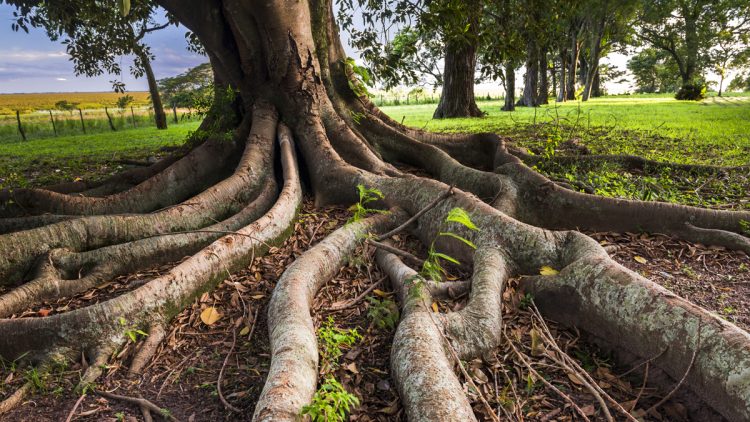
summer-tree-care-phoenix-az
Written by webtechs

Summer Tree Care Phoenix, Arizona | Summer Shrub Care

SUMMER TREE CARE PHOENIX, ARIZONA | SUMMER SHRUB CARE

GET A FREE ESTIMATE TODAY!

Summers in Arizona can be very harmful to your trees. Help trees from becoming victims of pest, diseases and summer storms by following Phoenix Trim a Tree’s “Summer Tree Care Guide”. Contact Phoenix Trim a Tree’s professional arborists for a free tree service consultation or to learn more about summer tree and shrub care.

LANDSCAPE INSPECTION – Check your trees for warning signs or damage, especially insect diseases and infestations. These insects could be killing your trees from the inside out. This will take away nutrients from surrounding plants as well. So make sure your trees look healthy. Then consult an experienced arborist to find out whether tree treatment regimens are needed.

PRUNING DISEASED OR DEAD BRANCHES – The most successful tree care programs usually include some form of pruning. You should make sure you are monitoring your tree canopies as well to help encourage healthy new growth.

REMOVE, BRACE OR CABLE WEAK LIMBS – Before those summer storm winds roll in, you want to make sure your tree branches have some stability against the high winds, specifically when weak branches fall.

WHY IS CARING FOR SOIL IMPORTANT? – Most tree issues come when poor soil is surrounding. Whether it be the lack of nutrients, amount of acidity or soil compaction, improving the soil around your tree will help create forest floor like conditions, encouraging the tree roots to become stronger. Also, the right types of soil helps the tree protect itself from disease, environment stresses and pests.

DO I NEED TO WATER MY TREES IN THE SUMMER? – If there is a drought in Phoenix, Arizona, then yes you should water your trees. In more temperate zones, they only need about 1 inch of water per week. Dont just water frequently, water deeply and soak the soil to get the best results.

HOW MUCH WATER SHOULD I USE FOR TREES IN ARIZONA? – How much water you use depends on the age and size of the tree. As long as you saturate the area as wide as the drip line, you are good. Use enough water that could penetrate at least 2 feet deep. As the tree grows, so will the drip line. This is especially important with watering palm trees in Arizona.

HOW OFTEN SHOULD I WATER MY TREES IN ARIZONA? – How often to water in Arizona depends on the type of tree, age of tree, current weather conditions and soil conditions. Frequent watering is required when the soil is loose and sandy because it dries out faster. Tight soil needs to be watered less frequently. Also, new trees need lots of water to develop their root structures. Furthermore, watering frequency should increase with long period of dry heat. For temperatures in Phoenix above 110 degrees, you should be adding an extra day to your tree watering

*Important: Don’t water too much, especially in areas where drainage is poor, watering too much can harm your tree more than helping it.

SHOULD I WORRY ABOUT INSECTS AND BUG ON MY TREES? – Insects are usually problematic during the spring, although some insects are common in the summer such as bag-worms and beetles. Noticing any unusual pest activity? Call a certified arborist today to inspect your shrubs or trees for pest activity.

REMOVING DEAD PALM TREES

1 2 3 8